


Bradenton Attorneys
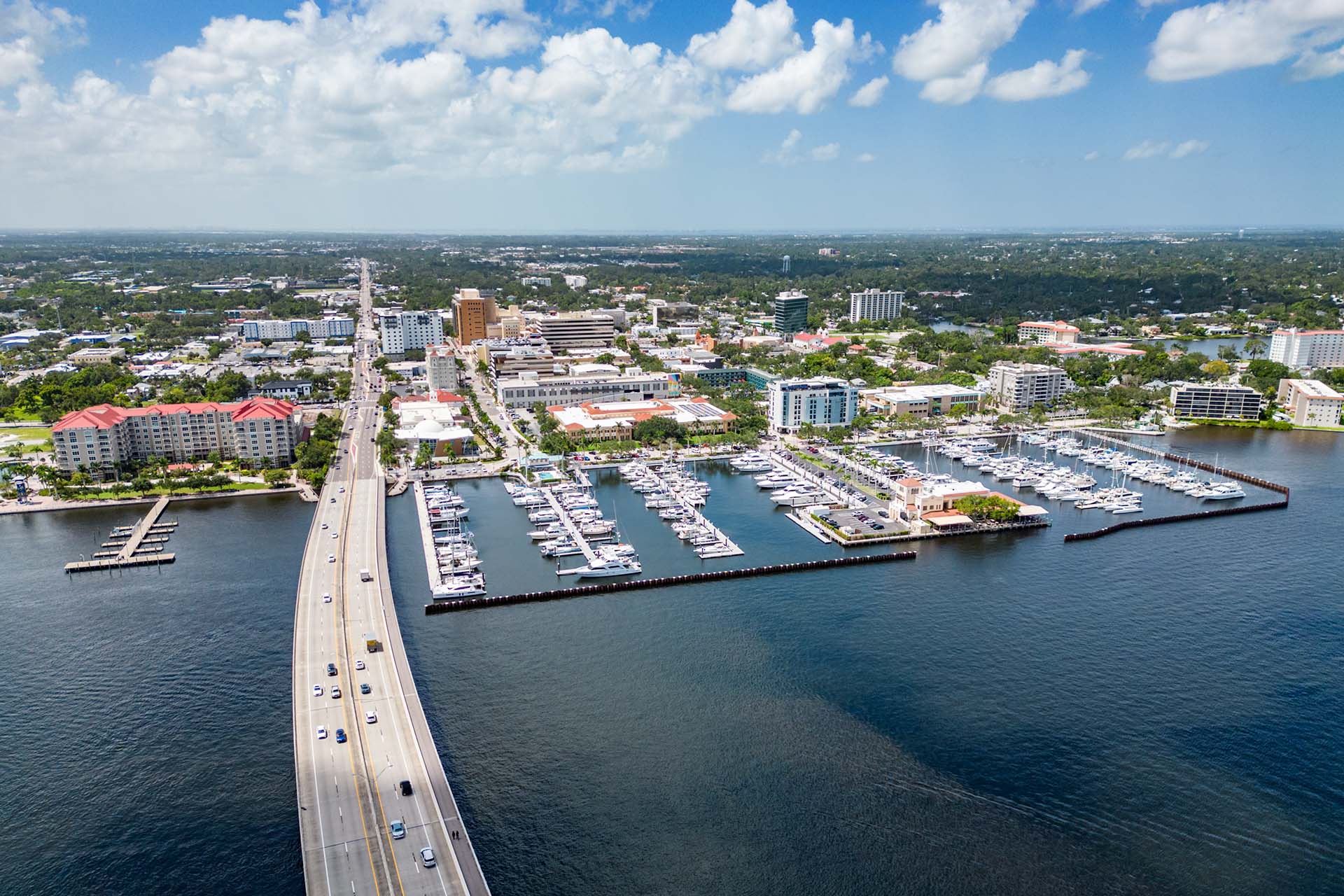
If you are dealing with divorce, child custody, child support, paternity, or a probate or estate planning question, you deserve clear answers and a plan you can act on.
McNary Law is based in Bradenton and serves clients throughout Manatee County.
Many matters can be handled remotely, so you can get guidance, share documents, and make progress without adding extra disruption to your week.
What we help with in Bradenton and Manatee County
- Family Law: Divorce, parenting plans and time-sharing, child custody, child support, paternity, modifications, relocation, and protective injunctions when appropriate. We focus on practical outcomes that protect your rights and your stability.
- Estate Planning: Wills, trusts, powers of attorney, and health care planning documents. The goal is straightforward: clear instructions, the right people in place, and fewer unanswered questions later.
- Probate and Estate Administration: Guidance for families and personal representatives through the probate process, including determining whether probate is required and what steps come next.
Family Law Services in Bradenton
Family law issues can change fast. The best strategy depends on the facts, the urgency, and what you want to protect.
We help clients in Bradenton and across Manatee County with:
- Child custody, time-sharing, and parenting plans
- Child support
- Paternity
- Post-judgment modifications
- Parental relocation questions
- Protective injunctions, when appropriate
Some cases can be resolved efficiently through negotiation or mediation. Other cases need a firmer approach when communication has broken down, finances are complex, or there are safety concerns. Either way, our job is to help you make informed decisions and move forward with a plan that holds up long term.
Bradenton Divorce Guidance That Fits Your Situation
Divorce is not just paperwork. It is a series of decisions about parenting, finances, and the next stage of your life. We handle both uncontested and contested divorces for clients in Bradenton and throughout Manatee County.
Our divorce representation often includes:
- Clarifying whether your case is likely to remain uncontested
- Addressing property and debt concerns early
- Identifying common pressure points that derail settlements
- Helping you build a workable parenting plan when children are involved
- Setting expectations around timelines, documentation, and next steps
If you are unsure where your case fits, we can help you understand your options and the tradeoffs of each path.
Estate Planning for Bradenton and Manatee County Families
Estate planning is about protecting your loved ones and making your wishes enforceable. We keep the process clear and manageable, and we explain what each document does in plain language.
We commonly help with:
- Wills
- Trusts
- Powers of attorney
- Health care planning documents (advance directives)
A strong plan is not just having documents signed. It is making sure the documents work together, the right people are named, and your plan matches how your life and assets are actually set up.
Probate and Estate Administration Support
Probate can feel overwhelming, especially when you are grieving. We guide families and personal representatives with organized communication and clear steps, so you know what needs to happen next.
If you are not sure whether probate is required, we can help you evaluate the situation based on the asset types involved and the estate’s circumstances. If probate is needed, we help you move through the process with fewer surprises.
Remote-friendly representation and a clear process
Many matters can be handled virtually, including consultations, document review, and much of the planning and casework. If an in-person appearance is required, we will tell you early so you can plan around it.
What to expect when you contact us:
- A focused consultation to understand your situation and goals
- A clear plan for next steps, including what documents we need and what timelines typically look like
- Ongoing communication so you can make decisions with confidence
Take the next step
If you need help with divorce, family law, estate planning, or probate in Bradenton or anywhere in Manatee County, schedule a consultation with McNary Law to discuss your options and the best path forward.
Local court and filing information for Bradenton
Most family law cases in Manatee County are handled through the Twelfth Judicial Circuit.
Manatee County Judicial Center
1051 Manatee Ave W, Bradenton, FL 34205
Phone: (941) 749-3600
Manatee County Clerk of the Circuit Court and Comptroller
(Filings and clerk services)
1115 Manatee Ave W, Bradenton, FL 34205
Phone: (941) 749-1800
Court locations and processes can change, so we always recommend confirming details directly with the court or clerk if you are handling a filing yourself.
Common Questions We Hear From Bradenton Clients
Many cases start that way. Whether it stays uncontested depends on finances, parenting issues, and communication. We can help you identify the common sticking points early.
Divorce, custody and time-sharing, child support, paternity, modifications, relocation, and injunctions when appropriate.
Often, yes. Estate planning is also about naming decision-makers (powers of attorney and health care documents) and reducing confusion for your family.
It depends on how assets are titled and whether there are beneficiary designations or joint ownership. We can help you evaluate that based on the specific assets involved.