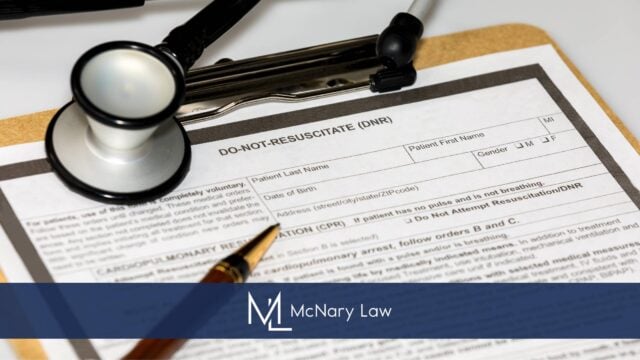

Sarasota Estate Planning Attorney
If you live in Sarasota or anywhere in Sarasota County, estate planning is one of those things that feels easy to postpone until life forces the conversation. The good news is that a solid Sarasota estate plan is not about complicated legal jargon. It is about clarity: who makes decisions on your behalf if you’re unable, who receives your assets upon your passing, and how to minimize stress and delays for the people you love.
At McNary Law, we help Sarasota County families create estate plans that are practical, legally sound, and tailored to their real-life needs. Many estate planning services can also be handled remotely, which makes it easier to move forward even with a busy schedule.
Why Sarasota County estate planning matters
Sarasota is a place where many families have a mix of priorities and assets: a primary home or condo, retirement accounts, maybe a small business, and often multi-state family connections. In Sarasota County, it is also common to see blended families, second marriages, adult children living out of state, and aging parents who may need support. Estate planning helps you protect the people who rely on you, plan for incapacity, and avoid avoidable court involvement later.
Just as important, Florida law has default rules for what happens if you die without a plan. Those rules may not match your wishes, especially if you have children from a prior relationship or you want to leave specific gifts to specific people. Florida’s intestate succession rules outline how an estate passes when there is no valid plan in place.
What documents are included in a Sarasota estate plan?
Most Sarasota estate planning clients need a core set of documents, then a few “add-ons” depending on goals.
1) Last Will and Testament
A will is often the foundation. It lets you:
- Name beneficiaries for probate assets
- Name a personal representative (executor)
- Nominate guardians for minor children
- Provide clear instructions to reduce conflict and confusion
In Florida, a will is not effective to prove title to property until it is admitted to probate. That is one reason many Sarasota County families also ask about trusts.
2) Revocable Living Trust (when appropriate)
A revocable trust can be a great fit for Sarasota estate planning when you want practical control during life and a smoother transfer at death, especially when you:
- Own real estate in Florida (or in multiple states)
- Want more privacy than a probate court file
- Want a plan for management if you become incapacitated
- Want streamlined distribution to beneficiaries
Florida’s Trust Code provides the legal framework for how trusts are created, interpreted, and administered.
3) Durable Power of Attorney
This document lets you appoint someone you trust to handle financial and legal matters if you cannot. Think: paying bills, managing accounts, handling property issues, coordinating with insurance, and more. For Sarasota County clients, this is often one of the most important “peace of mind” documents because it helps avoid the need for a guardianship process when the right power of attorney is in place.
4) Advance Directives
Advance directives address health care decisions, including naming a health care surrogate and documenting your wishes. Florida law defines “advance directive” broadly and includes tools like a health care surrogate designation and living will.
For Sarasota estate planning, this is where clients often say, “I do not want my family guessing.” Good planning puts your preferences in writing and identifies who should speak for you.
5) Planning for digital assets
Many Sarasota County families have important digital property: photos, online banking access, email accounts, subscriptions, and sometimes business-related systems. Florida law addresses fiduciary access to digital assets and sets rules for when a personal representative, trustee, agent under power of attorney, or guardian can request disclosure from a custodian.
Wills vs trusts in Sarasota: which one do you need?
This is one of the most common Sarasota estate planning questions, and the honest answer is: it depends on your assets, family situation, and goals.
A will-based plan can be a strong fit when your situation is straightforward and most assets pass outside of probate (for example, through beneficiary designations). A trust-based plan often makes sense when you own significant Florida real estate, want smoother administration, or want a clearer plan for incapacity.
Either way, you typically still want a will even if you have a trust. It acts as a safety net for assets not titled correctly during life.
Probate planning for Sarasota County families
Probate is not always “bad,” but it can be time-consuming, public, and stressful, especially if the plan is unclear or family members disagree. Venue matters too. Florida law addresses where probate proceedings should be filed, generally tied to the decedent’s Florida domicile.
For some estates, Florida offers a faster process called summary administration, which may be available when statutory conditions are met, including an estate value threshold or when the decedent has been dead for more than two years.
If your loved one lived outside Florida but owned property in Sarasota County or elsewhere in Florida, ancillary administration can come into play. Florida law provides rules for handling a nonresident decedent’s Florida assets and the process for issuing ancillary letters.
Common Sarasota estate planning “misses” we help clients avoid
Even in Sarasota, where many people know they “should” do estate planning, we see the same preventable problems:
- Outdated documents after major life changes (marriage, divorce, relocation, new child, death in the family)
- No incapacity plan (no power of attorney, no health care surrogate)
- Beneficiary designations that do not match the plan
- No plan for digital assets
- A will that does not reflect how Florida’s probate process works
- A trust that was created but never funded
We also talk through less common topics that still matter, like disclaimers. Florida has a statutory process for disclaiming an interest in property, which can be relevant in certain family or tax situations.
How the Sarasota County estate planning process works
Most Sarasota estate planning matters follow a simple, client-friendly path:
- Consultation and goal-setting: family structure, assets, concerns, and what you want to accomplish.
- Design: we recommend a will-based plan, a trust-based plan, or a blend.
- Drafting: documents are prepared with clear explanations, not legal fog.
- Signing and implementation: executed properly, then we help you with practical next steps like funding a trust and organizing your planning binder.
Many Sarasota County clients prefer remote appointments for the consultation and drafting stages, and we can accommodate that for many services.
Sarasota Estate Planning and Probate Attorneys
If you are in Sarasota or anywhere in Sarasota County and you are ready to get a plan in place, we can help you build something that is clear, organized, and durable. Whether you need a will, a trust, advance directives, or a full Sarasota estate planning package, the goal is the same: protect your family and reduce future stress.
Schedule Your Consultation Today
Secure your family’s future with confidence. Call us today at 941-345-1662 or send us a message below to schedule your consultation.